Pressure Reps to Act!

Attend Protests!

Attend Town Halls

Promote Constructive Conversation
Stay Informed & Avoid Disinformation
Support Pro-Democracy Organizations and Litigation


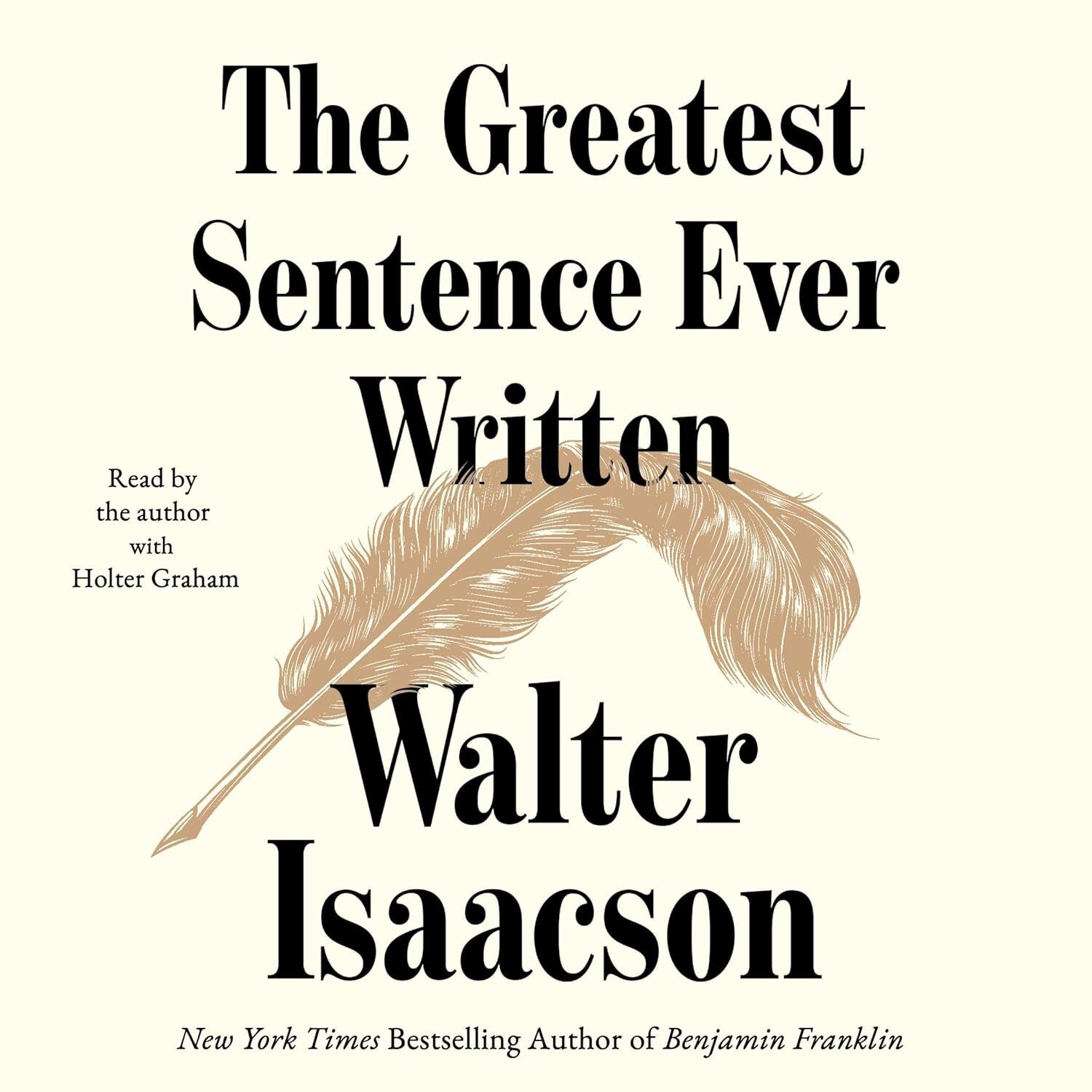
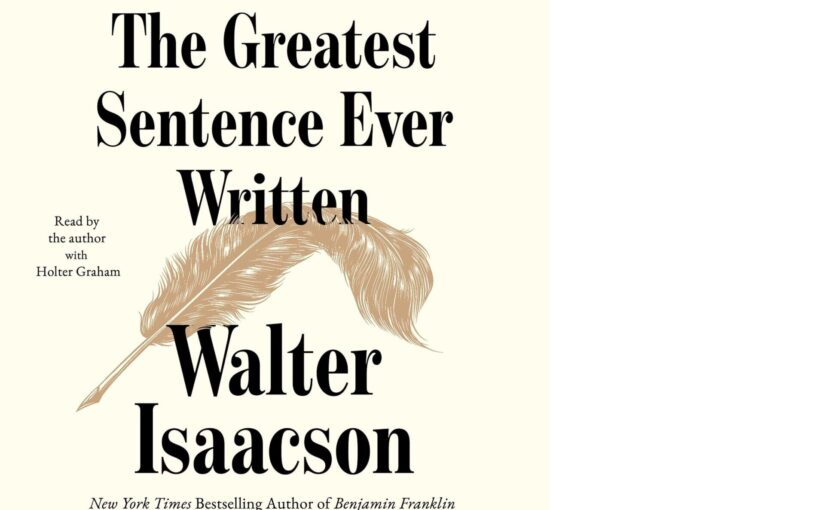
by Walter Isaacson
Isaacson explores the origins of the second sentence of the Declaration of Independence:
“We hold these truths to be self-evident, that all men are created equal, that they are endowed by their Creator with certain unalienable Rights, that among these are Life, Liberty, and the pursuit of Happiness.”
• He breaks down the historical context, showing how Jefferson drafted it and Franklin and Adams edited it.
• The book highlights how those words shaped the American Dream and remain relevant in today’s polarized times.
Ali Velshi interviews Walter Isaacson
Publisher: Simon & Schuster
Frame Lab advises calling Trump a loser, a fraud, or a betrayer of trust. A dictator creates an image of power, whereas a loser is a label no strict father/wannabe dictator will admit.
Know Your Rights
By ACLU
Last month, the Bay Area braced for a surge of National Guard soldiers and federal immigration agents. Although Trump ultimately called off the troops, in the short time Border Patrol officers were here, they fired flash-bang grenades at peaceful community members and shot a pastor in the face with a pepper ball. The unprovoked violence was a chilling glimpse of how future immigration raids could unfold here. That’s why we can’t become complacent.
Be prepared and know your rights in case federal agents show up anywhere in our region:
This is from the ACLU’s Know Your Rights page.
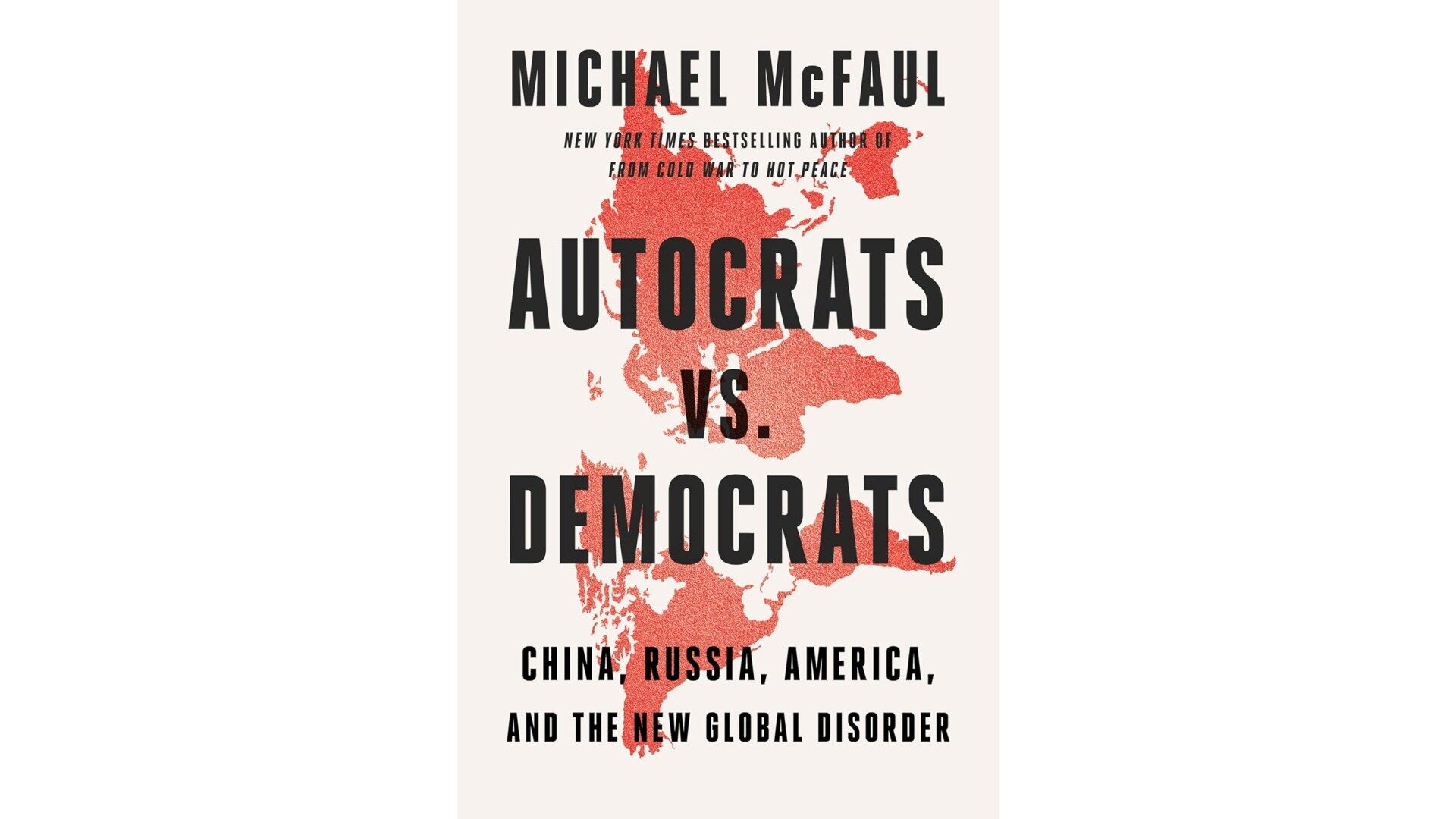
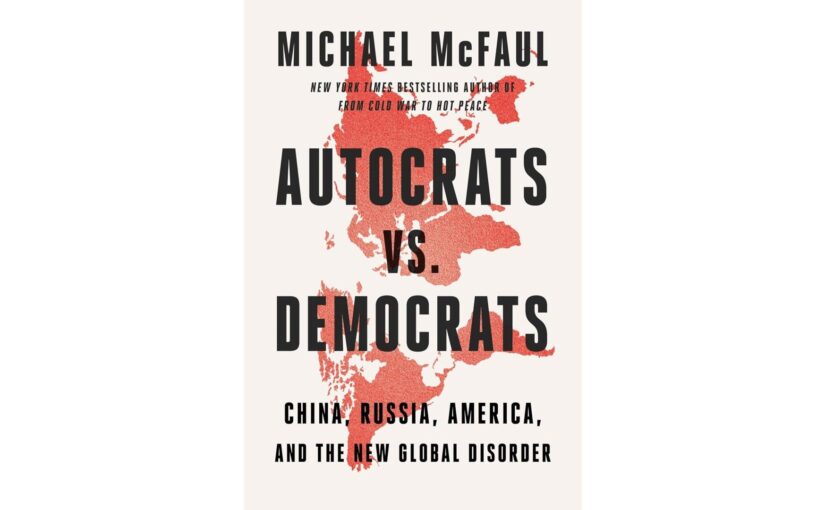
China, Russia, America and the New Global Disorder
by Michael McFaul
Publisher: Mariner Books
“A history, an analysis, and a set of prescriptions for the greatest geopolitical challenge of our time: the threat to the democratic world posed by China and Russia.” —Anne Applebaum, author of Autocracy, Inc.
“A monumental account of contemporary geopolitics”—Francis Fukuyama, author of Liberalism and Its Discontents
From New York Times bestselling author and former ambassador to Russia Michael McFaul comes a bold, clear-eyed look at how the autocracies of China and Russia are challenging the current global order, and how America’s future depends on successfully confronting this threat.

by Katie Paris and LaFonda Cousin
Publisher: Red Wine and Blue
Let’s be honest: this year has been a bit of a dumpster fire. Here at Red Wine & Blue, we’ve been hearing women in our community say they’re not sure how to make a difference — at least, not without totally losing their shit.
So we decided to tackle that question head-on with a brand-new podcast. It’s simply called How To Not Lose Your Sh!t and it’s hosted by our very own Katie Paris and LaFonda Cousin.
Katie, our founder, has worked in political organizing for most of her career. LaFonda, our Chief People Officer, is a wellness expert and yoga teacher on a mission to reimagine self-care. Every week, they’ll talk to experts and everyday women who are getting involved, building community, and feeling better in the process.
You can listen to our first episode with special guest Heather Cox Richardson on October 1st, with new episodes every Wednesday after that. If you’re already subscribed to the Red Wine & Blue podcast in your podcast player, you’ll automatically see new episodes each week here in your feed.
There are a lot of political podcasts out there already, and a lot of mental health and self-care shows too. What we want to do is reject that binary and explore how getting involved can actually be a form of not only caring for your community, but also yourself. We can’t wait for you to join us on a journey through self-care, politics, community, and tackling this difficult moment… together.
by Elizabeth Cronise McLaughlin
Publisher: The Ripple Effect Institute
Recommended by: Bruce R.
If it feels like America is sliding deeper into darkness—with voter suppression, book bans, gag orders, and fear spreading daily—you’re not alone. The truth is, fascism thrives when good people hesitate, but democracy grows stronger when ordinary people take action. You don’t need the full roadmap to change the world; you just need to take the next best step. Even the smallest action—whether it’s organizing in your community, speaking out at a school board meeting, or showing up for your neighbors—can disrupt authoritarianism and build momentum for lasting change. In this video, I’ll share why action is the antidote to despair and how you can start making a difference today, no matter your resources or time. History shows us that small acts, multiplied by thousands, topple regimes and create movements. Don’t wait for the “perfect” moment or the “perfect” leader—your courage matters now.
A FREE GUIDE FOR PROGRESSIVE LEADERS READY TO CREATE LASTING IMPACT

Making Sense of Politics in a World of Increasing Misinformation and Manipulation
by Lorenzo Burton
Tired of the endless division, misinformation, and manipulation in today’s political climate?
Beyond Left & Right cuts through the noise to reveal how political systems truly function—and how to recognize when we’re being misled by those in power. In a world where confusion and bias are often used as tools of control, it helps you think more clearly, question more deeply, and see through the fog to understand what’s really going on.

by Indivisible
Publisher: No Kings
Across the country, authoritarian forces are getting bolder and more dangerous. Trump and his allies are not hiding their agenda: mass deportations, rollbacks of civil rights, weaponized courts, and full-scale attacks on our democracy. We don’t have to wait until it’s too late. We can stop this. But it’ll take all of us—not just single days of mass action, but sustained organizing in our communities.
That’s why this summer, we’re launching One Million Rising—a national effort to train one million people in the strategic logic and practice of non-cooperation, as well as the basics of community organizing and campaign design. This is how we build people power that can’t be ignored. You’re invited to join us—and lead.
You can visit the site to see the recorded videos and access the training materials.
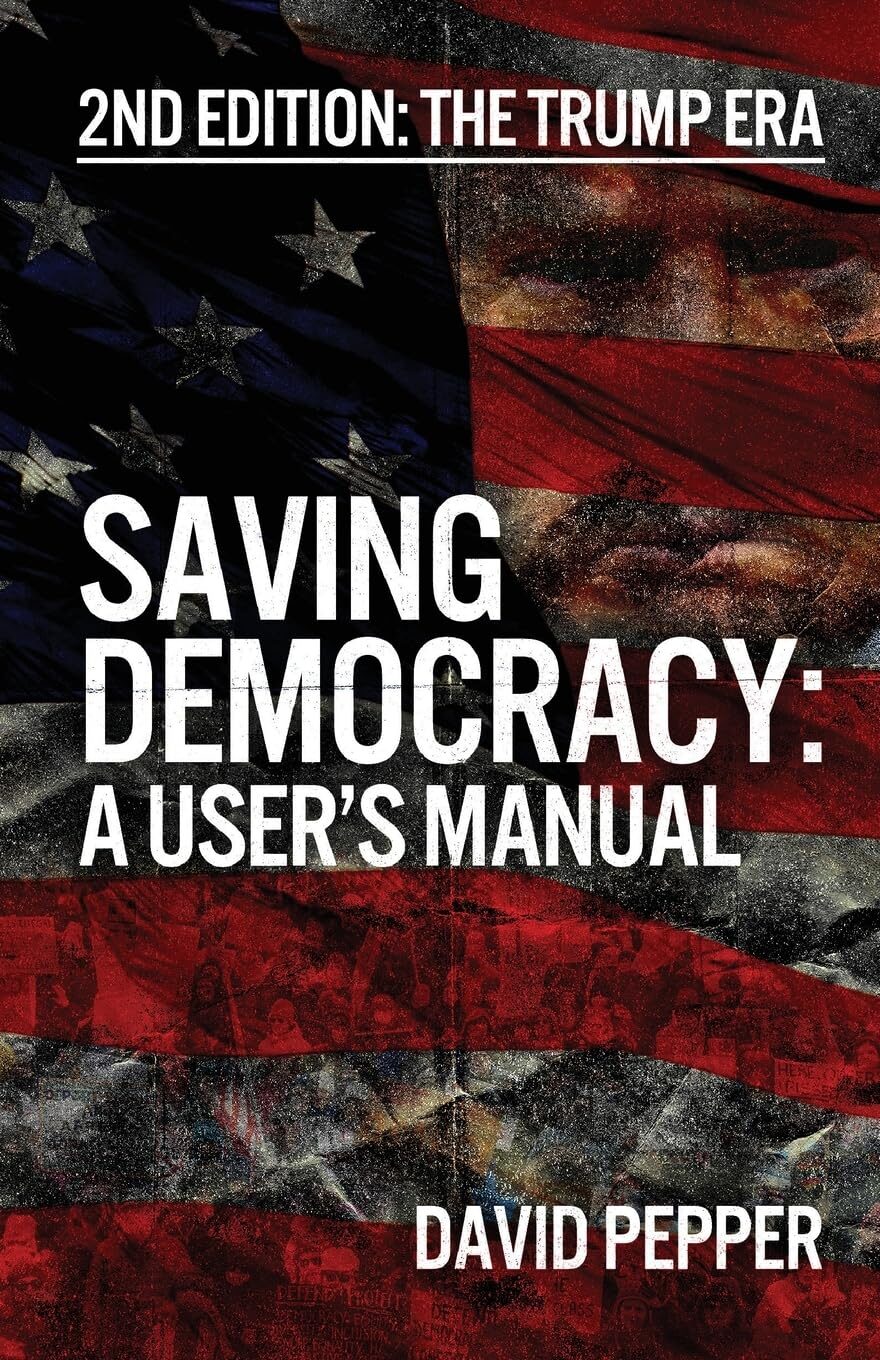
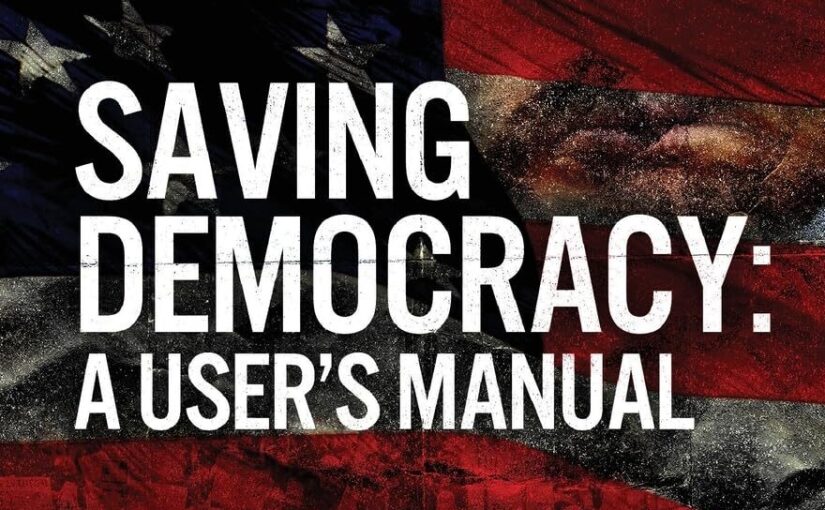
A User's Manual for Every American: 2nd Edition: The Trump Era
by David Pepper
Publisher: St. Helena Press
Recommended by: Steve G.
Saving Democracy is that rare book that doesn’t simply diagnose the crisis our democracy faces, and the broader strategies that we must take to fight back…but it breaks it all down so that every reader understands the role she or he can play in their own lives.
Based on decades of research from Columbia University Professor and Starts With Us Expert-in-Residence Peter T. Coleman, Ph.D., the Finding The Way Out Challenge is designed to help shape new habits and norms for political tolerance and courageous compassion. Think of it as a personalized boot camp for building a healthier national culture and repairing broken relationships across differences.
Our story begins in 2016 with two groups starting independently of one another — on opposite coasts of the United States. Coincidentally, both founders chose the same name, “Crossing Party Lines.” Their shared vision led them to create a volunteer platform to unite Americans through warm and engaging conversations. Prompted by a time of unprecedented political polarization, these two visionaries, their energetic team of volunteers, and over 3,000 CPL members are uniting America one conversation at a time. Donations to Crossing Party Lines, Inc. are 501(c)3) tax-deductible.
Braver Angels is leading the nation’s largest cross-partisan, volunteer-led movement to bridge the political divide. Through community gatherings, real debates, and grassroots leaders working together, we’re offering America what it needs to overcome the bitterness of our partisan divide. Donations to Braver Angels are 501(c)3 tax deductible
Sibling Cities USA facilitates cross-regional pairings of US cities to build deep relationships. IPV member, Bob Barrett, participated in the historic inaugural sibling cities pairing of Palo Alto, California and Bloomington, Indiana.
LRC connects people across divides – politics, age, gender, race, nationality, and more – through guided conversations proven to build understanding and transform communities.
IPV is just getting started with Living Room Conversations. If you are interested in joining us for a conversation, please get in touch. Donations to Living Room Conversations are 501(c)3) tax-deductible.
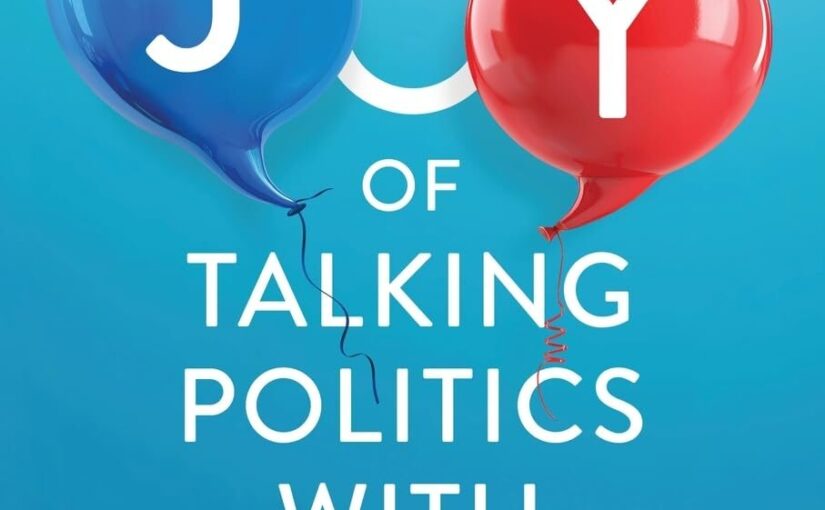
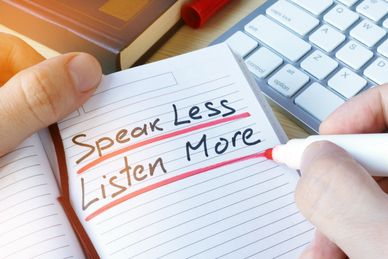
Everyone in our democracy must be able to speak their minds about public issues. Speaking up needs to be safe, responsible, respectful and free. This includes airing differences, supplying facts, and explaining opinions and options.
Even in conversations with people with whom we seem to agree, it’s important to air differences. This can be challenging, yet it’s worth it because we can learn from each other.
Conversations with others who have very different perspectives, or whose views seem to be underinformed or based on inaccurate information, or different values, can be much harder.
Beyond Conflict Institute reports “people perceive that the other side disagrees with them far more than is actually the case.”
So let’s find the courage to
Check out these articles for more:
Are we really as divided as we think? How dark forces are attempting to alienate us from our neighbours, The Toronto Star, April 25, 2023, by Frank Giustra
Yes, It’s Possible to (Gracefully) Talk Politics at Work, Harvard Business Review, October 30, 2020, by Raina Brands
Keeping It Civil: How To Talk Politics Without Letting Things Turn Ugly, NPR, April 12, 2019, by Caroline Kelly
For the latest information about No Kings events, go to this website: https://www.nokings.org
In June, we did what many claimed was impossible: peacefully mobilized millions of people to take to the streets and declare with one voice — America has No Kings. And it mattered. The world saw the power of the people. President Trump’s birthday parade was drowned out by protests in every state and across the globe. His attempt to turn June 14 into a coronation collapsed, and the story became the strength of a movement rising against his authoritarian power grabs.
Four months later, that movement roared back even stronger. On October 18, over seven million Americans joined 2,700+ events in all 50 states — a nationwide uprising 14 times larger than both of Trump’s inaugurations combined. What began in June as a single day of defiance has become a sustained national resistance to tyranny, spreading from small towns to city centers and across every community determined to defend democracy.
Now, President Trump has doubled down. His administration is sending masked agents into our streets, terrorizing our communities. They are targeting immigrant families, profiling, arresting, and detaining people without warrants. Threatening to overtake elections. Gutting healthcare, environmental protections, and education when families need them most. Rigging maps to silence voters. Ignoring mass shootings at our schools and in our communities. Driving up the cost of living while handing out massive giveaways to billionaire allies, as families struggle.
The president thinks his rule is absolute. But in America, we don’t have kings — and we won’t back down against chaos, corruption, and cruelty.
Our peaceful movement is only getting bigger. “No Kings” is more than just a slogan; it is the foundation our nation was built upon. Born in the streets, shouted by millions, carried on posters and chants, it echoes from city blocks to rural town squares, uniting people across this country to fight dictatorship together.
Because this country does not belong to kings, dictators, or tyrants. It belongs to We the People — the people who care, who show up, and who fight for dignity, a life we can afford, and real opportunity. No Thrones. No Crowns. No Kings.
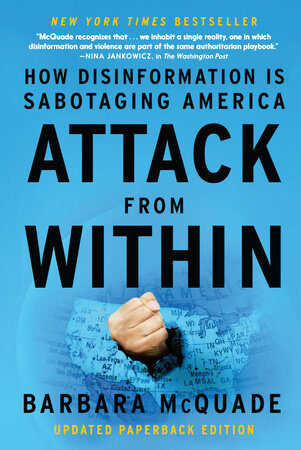
How Disinformation is Sabotaging America
by Barbara McQuade
Publisher: Penguin Random House
UPDATED EDITION: The MSNBC legal analyst explores the impact of disinformation after the 2024 presidential election—and what Americans can do before it’s too late.
“A comprehensive guide to the dynamics of disinformation and a necessary call to theethical commitment to truth that all democracies require.” —Timothy Snyder, author of On Tyranny
Disinformation—the deliberate spreading of lies disguised as truth, whether from opportunists on the far right, misinformed media influencers, or others—is fragmenting America more than ever before, pushing the nation toward extreme views, civil unrest, and violence.
In this bestselling book, now with a new foreword by the author, Barbara McQuade identifies how disinformation is seeping into all facets of our society, causing havoc in our voting systems, schools, hospitals, workplaces, and the Capitol.
McQuade, an MSNBC legal analyst and former federal prosecutor confronts the ways disinformation is being weaponized to polarize voters, degrade our legal structures, and leverage the political influence of manipulators and authoritarians. Now newly updated, Attack from Within shows us how to fight back against misinformed, extremist thinking and work toward preserving America’s hard-won democracy.
Do they work for us, or for themselves?
By: Bruce Rafnel
Publisher: Substack, Authentic Community
Clearly, humans are causing climate change.
But we have more problems than warming the planet. Even if we control the temperature by reducing our CO2 emissions, there are many other ecological problems caused by humans: deforestation, desertification, disruption of water cycles, plastic pollution, insect decline, fishery collapses, and fuel resource depletion. The list goes on and on. “It is no accident that the ruins of the world’s oldest civilizations are mostly in deserts now. It wasn’t desert before that.”
Our human institutions are unwilling (or unable) to address these problems with real solutions. We created these institutions—corporations and governments, most notably—but we seem unable to control them. They have morphed into alien entities that now control us.
The smallest effective human-powered unit is a community, not an individual. However, tight, effective communities have been hobbled. It is time to relearn how to build communities, and then to do the work of taking back our government. At the same time, large organizations can be reformed or broken up, with non-violent actions, to remind them that they exist for humans, not themselves.
By: Steve Pearlman, Ph.D
Publisher: TEDx Talks, TEDxCapeMay
“Critical thinking” increasingly stands as the most sought-after skill that has long been too fleeting to define. Employers rate it as a pinnacle skill, but one of which they see too little, and educators claim to teach it, but over half of Millennials recently failed a simple Mindedge critical thinking test. So, what is critical thinking? Analysis? Information literacy? Thinking outside the box? Informal logic? Problem-solving? Evaluating data? Decision science? What if all of our efforts to define critical thinking as above have been the core problem with teaching it?
What if, instead of using our brains to devise conceptions of critical thinking, we eliminated the noise and revolutionized a way to teach people how to think better by tracing critical thinking back to its core evolutionary survival mechanisms?
What are the basic survival skills for all organisms?
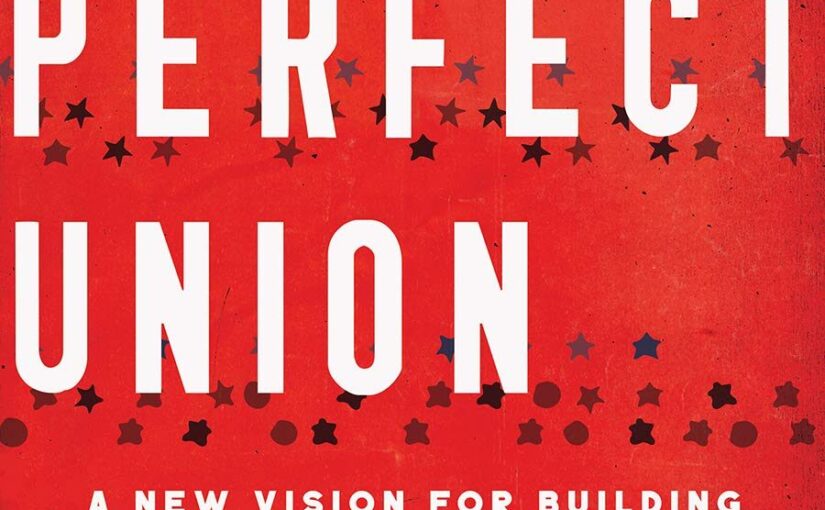
A New Vision for Building the Beloved Community
By Adam Russell Taylor
Recommended by: Bob
Publisher: Broadleaf Books
Thinking about alternatives is an important part of the One Million Rising training. In the words of the president of Sojourners, Adam Russell Taylor, whom I heard speak recently, to build a “more perfect union,” we need to be focusing on three priorities: Blocking, Bridging, and Building. We are focused a lot on Blocking bad things happening, but have little power to do that. In the future, we can work on Bridging, but that will take a very long time and will entail millions of one-on-one relationships.

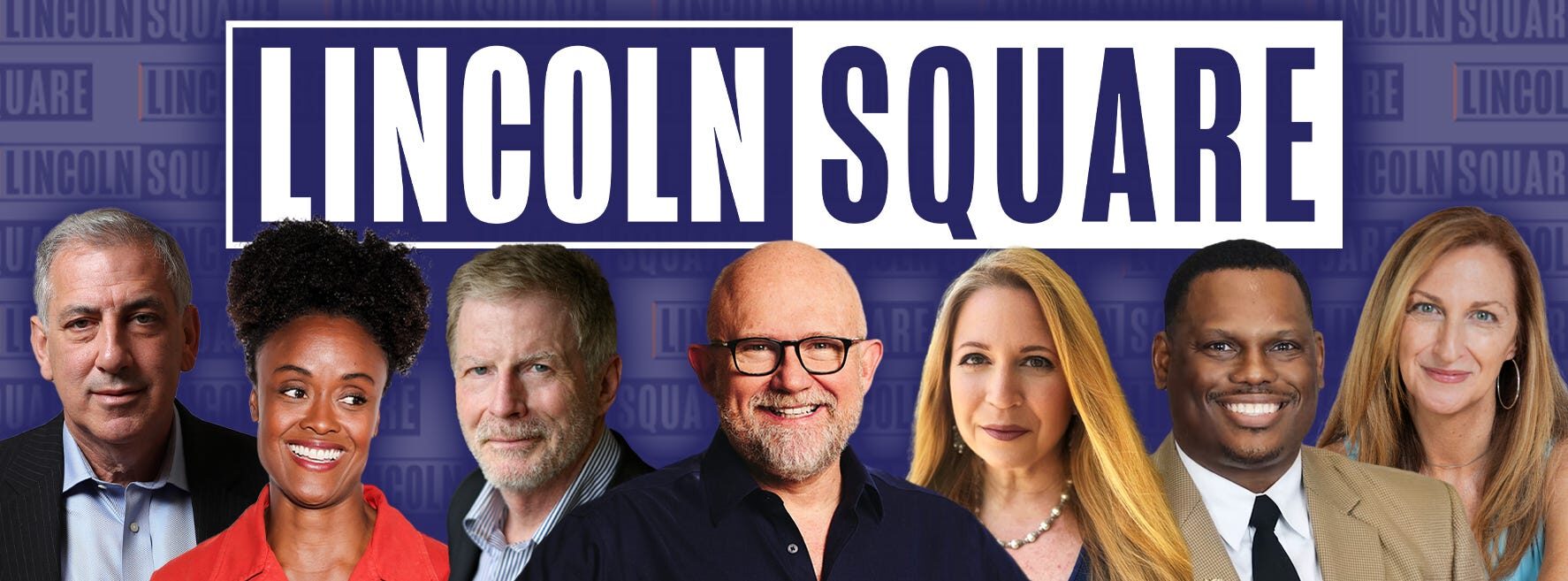
Newsletter
Publisher: Lincoln Square
When you join Lincoln Square, you are more than a passive consumer of content – You are a critical member of the Ferocious Opposition. We’ll provide you with the truth that you need and the tools to help spread the antidote to Trump, MAGA, Musk, and what once was a legitimate major political party in our country, the Republicans.
Lincoln Square founders introduce LSM here.
Lincoln Square is a collaborative effort with The Lincoln Project, America’s leading pro-democracy organization. It’s an ambitious effort to rethink how the media fights against autocracy, disinformation, and the flood of attacks on truth and our democracy. We don’t pull punches. We don’t cower in fear and hope Trump, Musk, and their minions don’t notice us and be spared their wrath.
We aren’t legacy media. We don’t have billionaire backers or corporate overlords directing what we can and cannot say.
Our mission is to expose, inspire, inform, lead, and connect — and give you the tools not just to fight back, but fight forward for the America we all deserve – not just the broligarchs and kleptocrats. We fight for the rights of all of us because it takes all of us for America to achieve her extraordinary potential. And we’re getting louder than ever with podcasts, live streaming, digital and social media, commentary, articles, town halls, public and virtual community gatherings, and strategy calls with people like Rick Wilson, Stuart Stevens, and Joe Trippi, who have led the biggest campaigns — and won.
Gov. J.B. Pritzker: “Tyranny requires your fear, your silence, and your compliance. Democracy requires your courage”
Some examples:
ANTI-CRIMINALIZATION
COMMUNITY DEFENSE/MIGRANT JUSTICE
This came from the Mutula Aid 101 course.
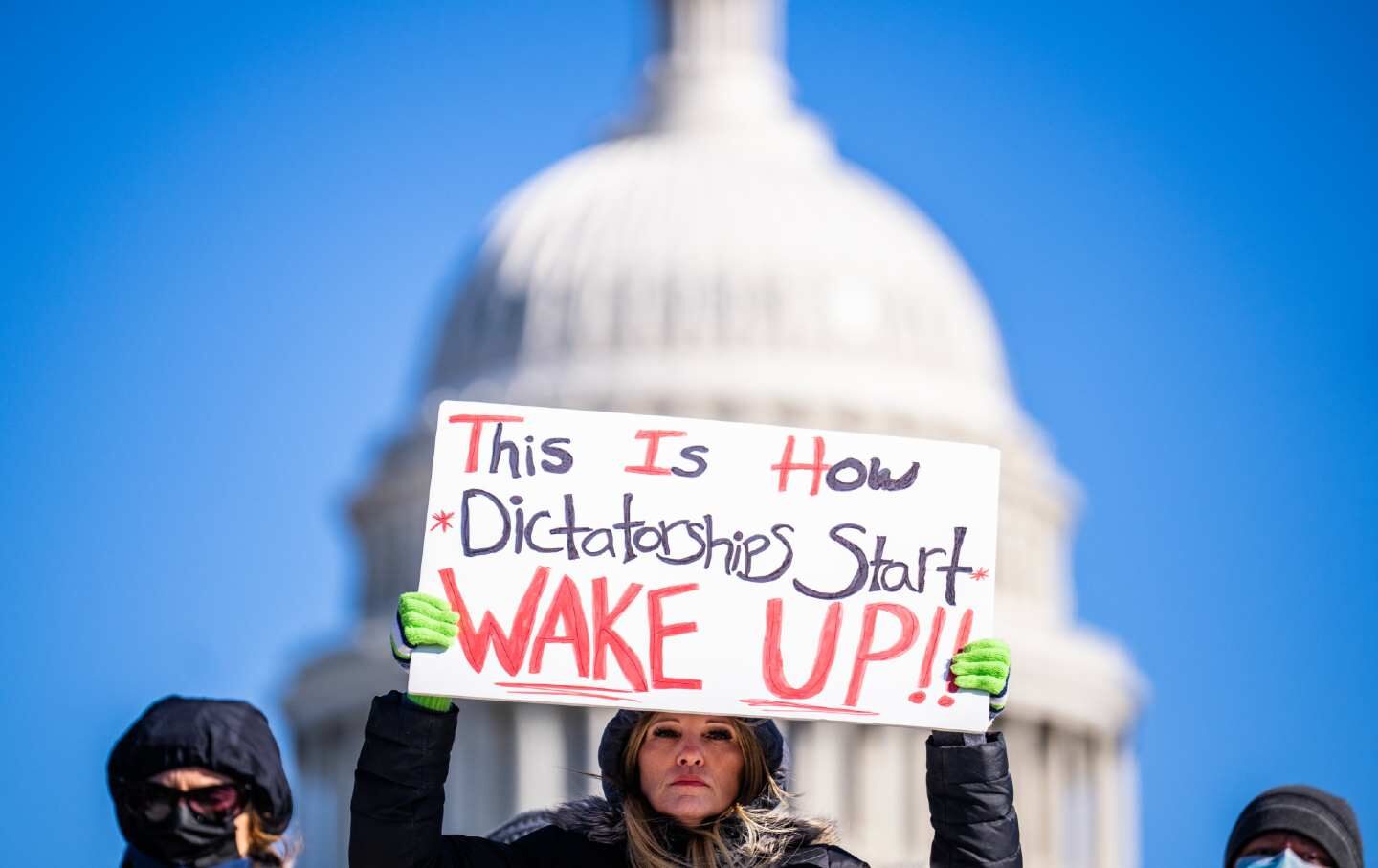
A plan to harness grassroots energy—and to hold Democratic leaders accountable.
by Ezra Levin, Leah Greenberg
Indivisible founders, Ezra Levin and Leah Greenberg, wrote this inspiring article for The Nation. Reviewed by Rachael Maddow.
Continue reading How to Organize Our Way Out of the Trump-Musk Putsch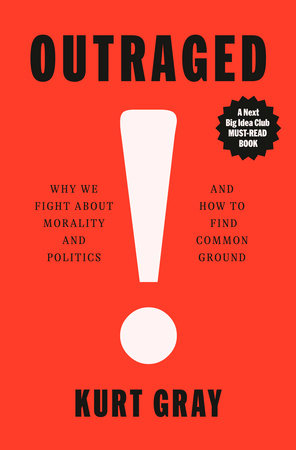
Why We Fight About Morality and Politics and How to Find Common Ground
By Kurt Gray
Publisher: Pantheon
It’s easy to assume that liberals and conservatives have radically different moral foundations. In Outraged, Kurt Gray showcases the latest science to demonstrate that we all have the same moral mind—that everyone’s moral judgments stem from feeling threatened or vulnerable to harm.
We all care about protecting ourselves and the vulnerable. Conflict arises, however, when we have different perceptions of harm. We get outraged when we disagree about who the “real” victim is, whether we’re talking about political issues, fights with our in-laws, or arguments on the playground.
In this fascinating and insightful tour of our moral minds, Gray tackles popular myths that prevent us from understanding ourselves and those around us. While it is commonly believed that our ancestors were apex predators, Gray argues that for the majority of our evolutionary history, humans were more hunted than hunter. This explains why our minds are hard-wired to perceive threats, and provides surprising insights on the scientific origins of our values and beliefs. Though we might think ourselves driven by objective reasoning, Gray unveils new research that finds our moral judgments are based on gut feelings rather than rational thought, and presents a compelling reminder that we are more alike than we might think.
Drawing on groundbreaking research, Gray provides a captivating new explanation for our moral outrage, and unpacks how to best bridge divides. If you want to understand the morals of the “other side,” ask yourself a simple question—what harms do they see?
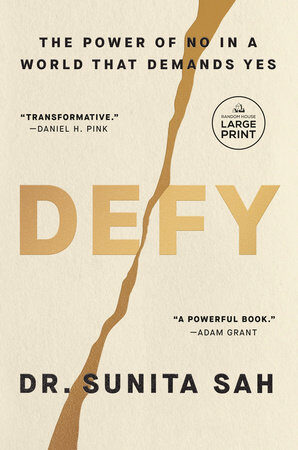
The Power of No In a World That Demands Yes
by Sunita Sah
Publisher: Random House
“A powerful book. If you’ve ever compromised your principles to please others, Defy will give you the will—and skill—to stand up for yourself.”—Adam Grant, #1 New York Times bestselling author of Think Again
If there’s one universally accepted truth in the modern age, it’s that sequels suck. And Trump 2.0 will be no exception. Trump, Vance, and their MAGA minions feel vindicated by the victory of their bigoted, fascistic clown show of a presidential campaign. Trump takes office with a plan to institute the worst parts of Project 2025. He’ll be enabled by a judiciary packed with right-wing ideologues and a congressional majority stacked with MAGA foot soldiers. And he’s assembled a bloc of corporations and billionaires eager to do his bidding in exchange for tax cuts and corrupt favors. But he has no mandate for the staggeringly harmful agenda he’s about to unleash on the country. And together, we have the power to fight back — and win.
by Stephanie G. Wilson
Recommended by: Cindi
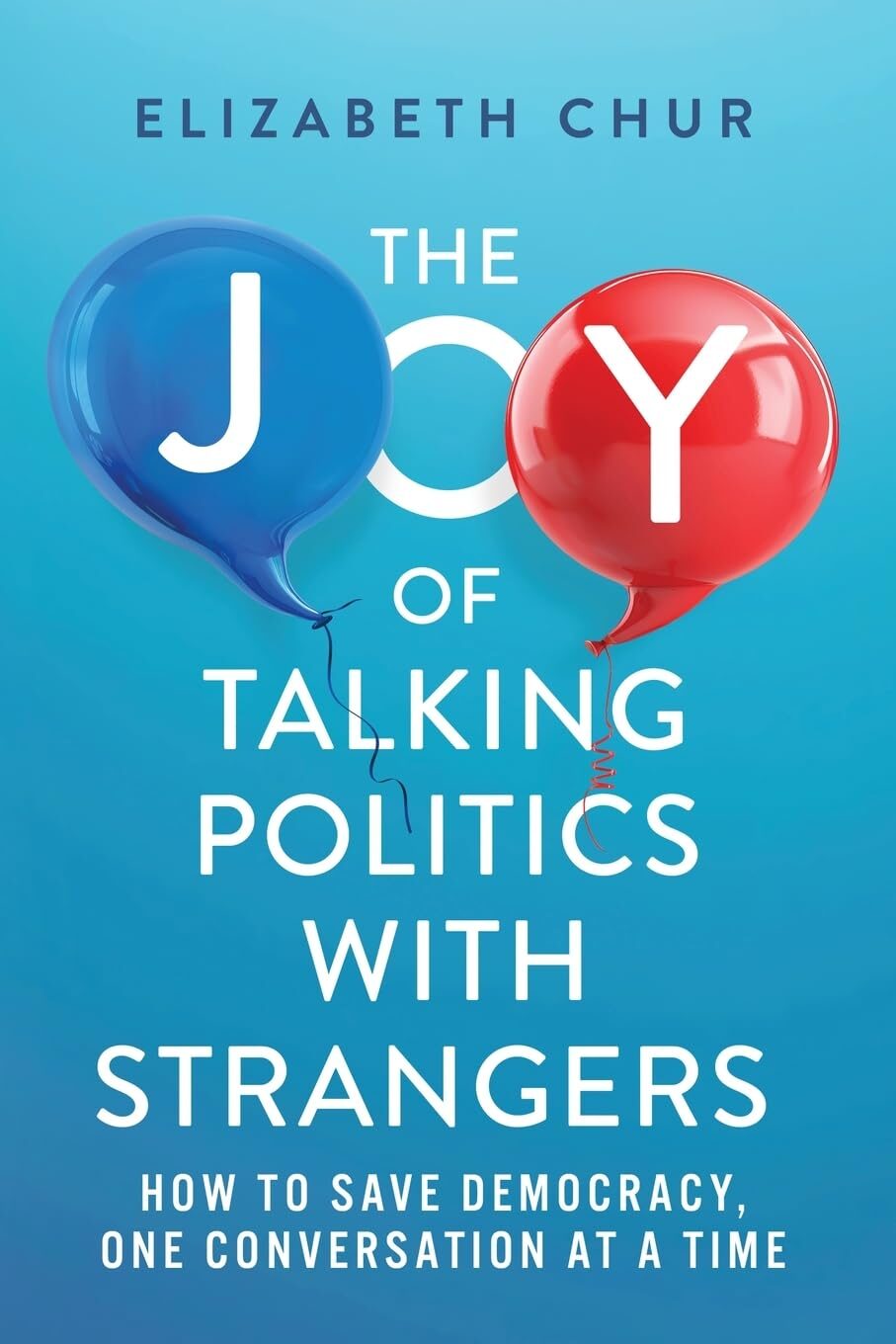
How to save democracy one conversation at a time
by Elizabeth Chur
Publisher: Talk with Voters Publishing
Trump loses again, as Biden is cleared
Frame Lab advises responding to the special council report of Biden’s classified documents investigation by pointing out that Biden was cleared while Trump is still facing indictments.
“The best way for the media to sell newspapers and clicks is to give Republicans what they want to hear, which drives liberals to hate reading, hate sharing, and even hate subscribing. By rebutting them, [we] spread and strengthen them. That’s how our brains work.”
“Consider the phrase “tax relief.” The world “relief” frames the word “tax” as an affliction or form of suffering. We generally need “relief” from things that are painful or unpleasant…Another example: Consider the phrase “forced birth.” It frames abortion bans with a negative word, “forced,” which frames abortion bans as aggressively stripping women of their freedom.” Moral Warfare 101: Frames and Your Brain, Frame Lab, February 5, 2024
“…when environmental issues are reframed in terms of the conservative value of purity – emphasizing the importance of keeping our forests, drinking water, and skies pure – conservatives are much more likely to support this cause.
The power of framing: It’s not what you say, it’s how you say it
The Guardian, July 20, 2017
Climate change? Global warming?
“David Fenton, a longtime PR specialist for progressive causes…urges the climate community to speak of pollution – a word everyone gets – and to settle on the image of a ‘blanket of pollution trapping heat on Earth’. Every oil and gas emission makes that blanket thicker – and all that trapped heat helps cause floods and start fires, he says.” As heat records break, the climate movement has the right answers – but the words are all wrong The Guardian, July 14, 2023
“Much of politics is a struggle to define how certain key words are framed — words like ‘tax,’ ‘freedom,’ ‘rights’ and ‘truth.’
“If you oppose an issue, you must try to frame it in negative terms. If you support an issue, you must try to frame it positively.”
Cognitive scientist Dr. George Lakoff and journalist Gil Duran share their political messaging expertise at
Frame Lab on Substack.
Republican governors in 15 red states have refused to participate in this summer’s federal free lunch program, denying food to approximately 8 million kids.
Frame Lab advises responding without mentioning welfare states or calling Republicans scrooges. Say instead, “Tate Reeves [Republican Governor of Mississippi] doesn’t want these kids to succeed. He doesn’t want them to have the same freedom as his kids enjoy. This isn’t just about punishing poor kids for being poor. It’s about taking away their opportunities.”
by PBS
With American democracy under threat, diplomat Dr. Richard Haass outlines ten habits to help citizens preserve democracy. Haass also explores real-life examples of Americans who are working towards strengthening democracy and renewing the spirit of a more informed and engaged citizenry. Premiered January 2, 2024 on PBS.
The Art of Seeing Others Deeply and Being Deeply Seen
by David Brooks
Recommended by Bob
Driven by his trademark sense of curiosity and his determination to grow as a person, David Brooks draws from the fields of psychology and neuroscience and from the worlds of theater, philosophy, history, and education to present a welcoming, hopeful, integrated approach to human connection. How to Know a Person helps readers become more understanding and considerate toward others, and to find the joy that comes from being seen. Along the way it offers a possible remedy for a society that is riven by fragmentation, hostility, and misperception.
Continue reading How to Know a Person
Notes on the State of America
by Heather Cox Richardson
Publisher: Penguin Random House
At a time when the very foundations of American democracy seem under threat, the lessons of the past offer a road map for navigating a moment of political crisis. In Democracy Awakening, acclaimed historian Heather Cox Richardson delves into the tumultuous journey of American democracy, tracing the roots of Donald Trump’s “authoritarian experiment” to the earliest days of the republic. She examines the historical forces that have led to the current political climate, showing how modern conservatism has preyed upon a disaffected population, weaponizing language and promoting false history to consolidate power.
With remarkable clarity and the same accessible voice that brings millions to her newsletter, Letters from an American, Richardson wrangles a chaotic news feed into a story that pivots effortlessly from the Founders to the abolitionists to Nixon to the January 6 insurrection. An essential read for anyone concerned about the state of America, Democracy Awakening is more than a history book; it’s a call to action. Richardson reminds us that democracy requires constant vigilance and participation from all of us, showing how we, as a nation, can take the lessons of the past to secure a more just and equitable future.
Heather Cox Richardson | Democracy Awakening
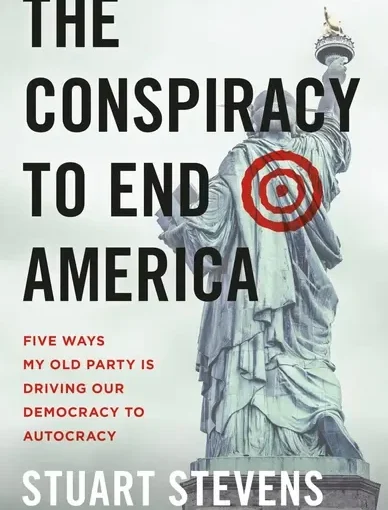
Five Ways My Old Party Is Driving Our Democracy to Autocracy
by Stuart Stevens
Publisher: Hachette Book Group
Former chief Republican strategist, Lincoln Project adviser, and bestselling author of It Was All a Lie, Stuart Stevens offers an ominous warning that the GOP is dragging our country toward autocracy—and if we don’t wake up to the crisis in our system, 2024 may well be our last free and fair election.
INTERVIEW: Stuart Stevens talks to Brian Watt (KQED) at the Commonwealth Club
SWING LEFT PENINSULA created these engaging videos to help spread the word effectively that things are better when Democrats are in office AND to counter MAGA Republicans’ anti-democracy messages.
To Muffle the MAGAphone:
Communications consultant Anat Shenker-Osorio developed the 3V messaging framework. Effective 3V messages:
As linguist George Lakoff says, “People vote based on values, connection, authenticity, trust and identity” – not lists of policies and facts.
The Bay Area Coalition offers 3V statements on the critical issues of our time.
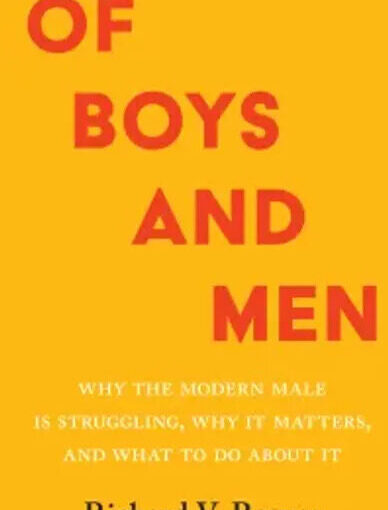
Why the Modern Male Is Struggling, Why It Matters, and What to Do about It
by Richard V. Reeves
Publisher: Brookings Institution Press
Recommended by: Bob B.

The rise of Authoritarianism in the world we've made
by Bden Rhodes
Publisher: Random House
At a time when democracy in the United States is endangered as never before, Ben Rhodes spent years traveling the world to understand why. He visited dozens of countries, meeting with politicians and activists confronting the same nationalism and authoritarianism that are tearing America apart. Along the way, he discusses the growing authoritarianism of Vladimir Putin, and his aggression towards Ukraine, with the foremost opposition leader in Russia, who was subsequently poisoned and imprisoned; he profiled Hong Kong protesters who saw their movement snuffed out by China under Xi Jinping; and America itself reached the precipice of losing democracy before giving itself a fragile second chance.
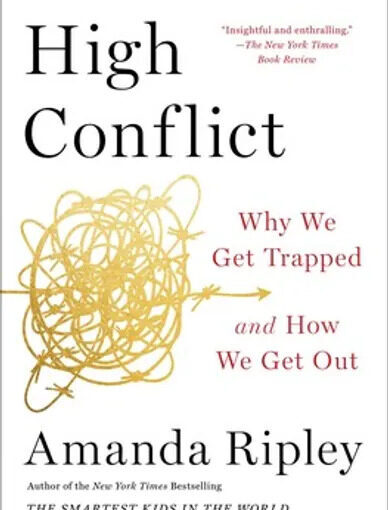
Why We Get Trapped and How We Get Out
by Amanda Ripley
Publisher: Simon and Schuster
Recommended by: Cindi, Bob & Linda
“White women are the largest voting bloc in this country and will be for decades to come. They account for 38% of the national vote share and 43% of the vote share across Galvanize Action’s priority states. Within this voting bloc, we’ve identified 44,093,812 moderate women who are not ideologically entrenched, meaning they are open to new ideas and perspectives and movable on key issues such as reproductive freedom, healthcare, gender equity, climate, and the economy.”
Galvanize Action says, “We’ll share with you exactly how to create a message that meets people at their values and how to turn those into an effective ad. Our interactive worksheet will guide you through the process with prompts about your target audience and the issue you want to move them on. You’ll walk away with customized advice!”

The Final Act of the Trump Show
by Johnathan Karl
Publisher: Dutton
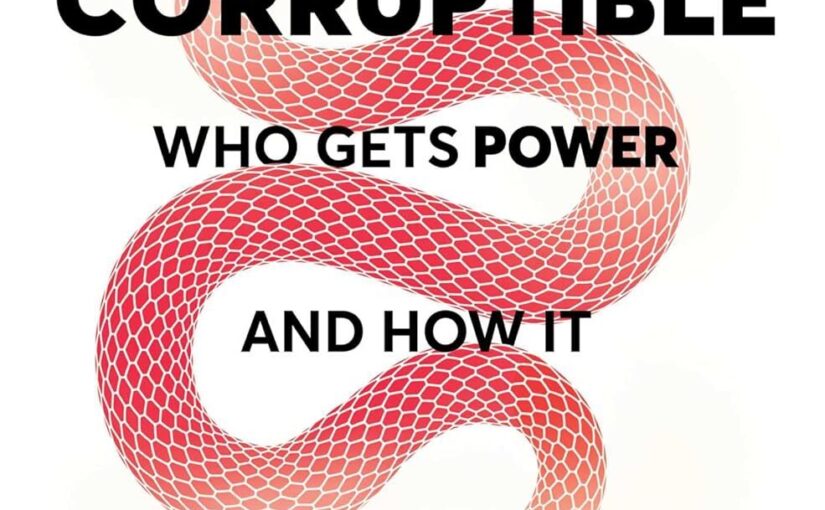
Who Gets Power and How It Changes Us
By: Brian Klaas
Publisher: Scribner
Recommended by: Bruce R.
Does power corrupt, or are corrupt people drawn to power? Are tyrants made or born? Are entrepreneurs who embezzle and cops who kill the result of poorly designed systems or are they just bad people? If you were suddenly thrust into a position of power, would you be able to resist the temptation to line your pockets or seek revenge against your enemies?
To answer these questions, Corruptible draws on over 500 interviews with some of the world’s top leaders—from the noblest to the dirtiest—including presidents and philanthropists as well as rebels, cultists, and dictators. Some of the fascinating insights include: how facial appearance determines who we pick as leaders, why narcissists make more money, why some people don’t want power at all and others are drawn to it out of a psychopathic impulse, and why being the “beta” (second in command) may actually be the optimal place for health and well-being.
Corruptible also features a wealth of counterintuitive examples from history and social science: you’ll meet the worst bioterrorist in American history, hit the slopes with a ski instructor who once ruled Iraq, and learn why the inability of chimpanzees to play baseball is central to the development of human hierarchies.

The Freedom to Vote Act can halt this growing antidemocratic threat.
by Will Wilder, Derek Tisler, Wendy R. Weiser
Publisher: Brennan Center for Justice
Essentially this article addresses laws and proposed legislation enabling partisan interference in election administration as part of a broader “election sabotage” or “election subversion” campaign, a national push to enable partisans to distort democratic outcomes.
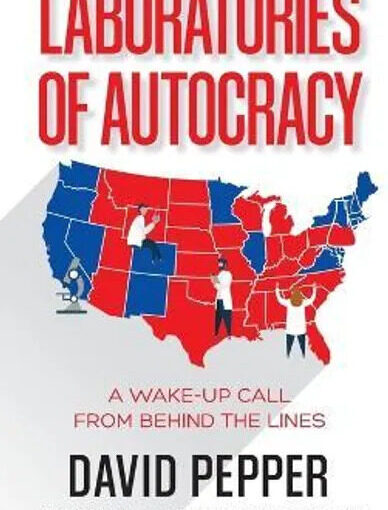
A Wake-Up Call From Behind The Lines
by David Pepper
Publisher: St. Helena Press
Recommended by: Cindi Sears
Because these statehouses no longer operate as functioning democracies, these unknown politicians have all the incentive to keep doing greater damage, and can not be held accountable however extreme they get. This has driven steep declines in states like Ohio and others across the country. And collectively, it’s placed American democracy in its greatest peril since the dawn of the Jim Crow era.
But Pepper doesn’t stop there. He lays out a robust pro-democracy agenda outlining how everyone from elected officials to business leaders to everyday citizens can fight back.
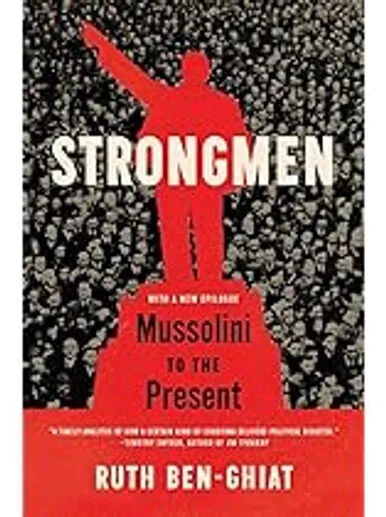
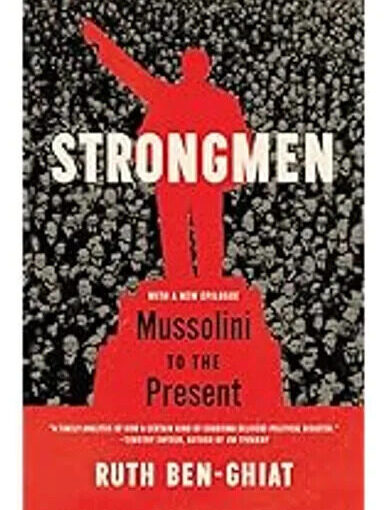
Mussolini to the Present
by Ruth Ben-Ghiat
Publisher: W. W. Norton & Company
Ruth Ben-Ghiat interviewed by Dean Peter Arnade at University of Hawai
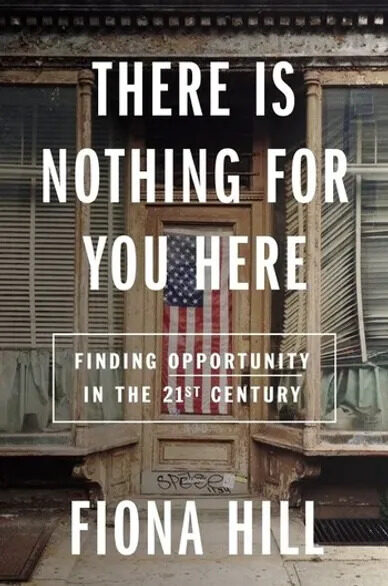
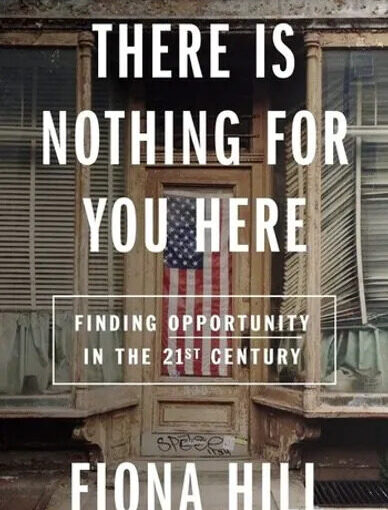
Finding Opportunity in the 21st Century
by Fiona Hill
Publisher: Mariner Books
Fiona Hill grew up in a world of terminal decay. The last of the local mines had closed, businesses were shuttering, and despair was etched in the faces around her. Her father urged her to get out of their blighted corner of northern England: “There is nothing for you here, pet,” he said.
The coal-miner’s daughter managed to go further than he ever could have dreamed. She studied in Moscow and at Harvard, became an American citizen, and served three U.S. Presidents. But in the heartlands of both Russia and the United States, she saw troubling reflections of her hometown and similar populist impulses. By the time she offered her brave testimony in the first impeachment inquiry of President Trump, Hill knew that the desperation of forgotten people was driving American politics over the brink—and that we were running out of time to save ourselves from Russia’s fate. In this powerful, deeply personal account, she shares what she has learned, and shows why expanding opportunity is the only long-term hope for our democracy.
Using Convergent Facilitation to Reach Breakthrough Collaborative Decisions
by Miki Kashtan
Miki introduces a novel decision-making process called Convergent Facilitation that builds trust from the beginning, surfaces concerns and addresses them, and turns conflicts into creative dilemmas that groups feel energized to solve together. This highly effective process has been used successfully around the world to resolve problems and teach people how to collaborate without sacrificing productivity.
Continue reading The Highest Common DenominatorBy Baratunde Thurston
Recommended by: Bob
Here are some sources of ideas from a podcast by Baratunde Thurston, which began in 2020 and has four seasons of episodes. The overall theme is encouraging thinking about “citizen” as a verb. The four
pillars for doing this are:
The four seasons of episodes (ranging from 11 to 16 episodes each season) consist of interviews with folks who are thinking about and demonstrating democracy-building activities. It’s a wonderful resource for ideas. They include international, national, statewide, and local leaders.

A Very Practical Guide
by Peter Boghossian and James Lindsay
Publisher: Balance
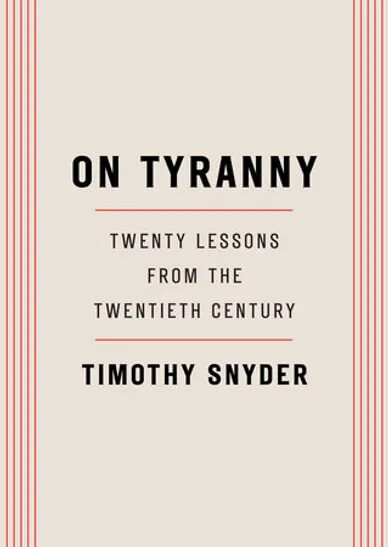
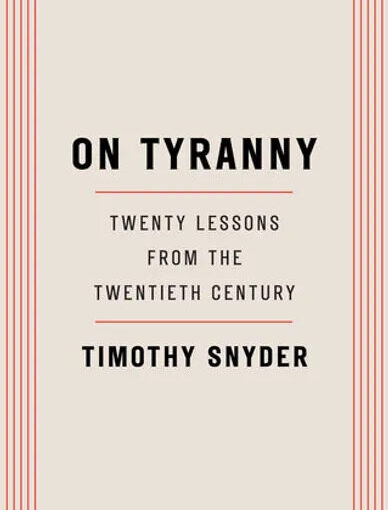
Twenty Lessons from the Twentieth Century
by Timothy Snyder
Publisher: Crown
INTERVIEW: Listen to Professor Snyder discuss his book at Politics and Prose Bookstore
In America, we don’t do kings.
by Indivisible
We’re a grassroots movement of thousands of local Indivisible groups with a mission to elect progressive leaders, rebuild our democracy, and defeat the Trump agenda.
Defeating a multi-decade right-wing takeover of American government ain’t easy. But we’re here to win, and we have a plan. Here’s how we’re doing it:
We Are Indivisible. Our opponents depend on a divide and conquer strategy, so we treat an attack on one like an attack on all. We show up for each other, and particularly for those facing the brunt of rightwing ideologues’ attacks – often immigrants, people of color, and low-income people. We share a vision: a real democracy, of, by, and for everyone.
Strong Leaders, Strong Groups, Strong Movement. We build and sustain our movement’s power by helping individuals take leadership. They grow and lead local Indivisible groups, take independent action, and coordinate with their fellow local leaders. As a movement, our power comes from coordinated national campaigns where we act together, indivisible.
Inside/Outside Strategy. We understand systems of power – like how Congress operates – and we work inside them to get results. That complements our outside strategy of locally-based constituent pressure to demand elected leaders, regardless of political party, work for our democracy.
A Virtuous Cycle of Advocacy and Elections. We show up to advocate for policy wins in off-years and get out the vote in election years. These efforts reinforce each other to ensure our democracy works for all of us and that the people in power do too – or we will replace them with electeds who will.



The Strategic Logic of Nonviolent Conflict
by Erica Chenoweth and Maria Stephan
Publisher: Columbia University Press
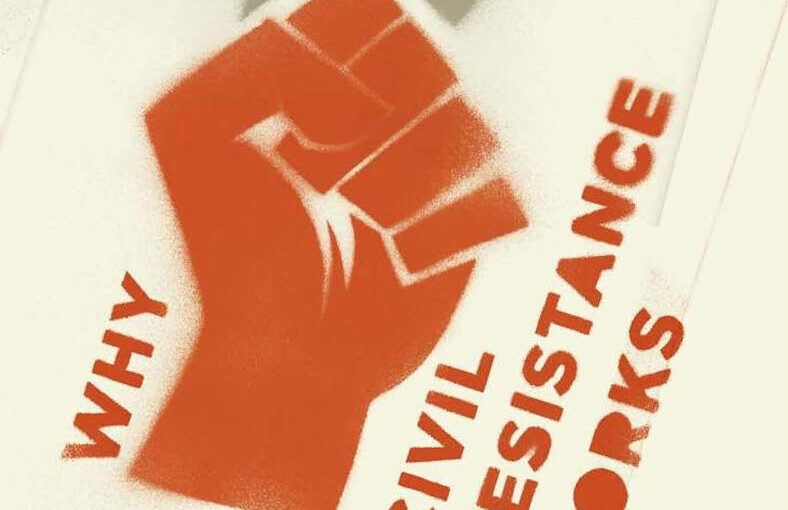
For more than a century, from 1900 to 2006, campaigns of nonviolent resistance were more than twice as effective as their violent counterparts in achieving their stated goals. By attracting impressive support from citizens, whose activism takes the form of protests, boycotts, civil disobedience, and other forms of nonviolent noncooperation, these efforts help separate regimes from their main sources of power and produce remarkable results, even in Iran, Burma, the Philippines, and the Palestinian Territories.
Combining statistical analysis with case studies of specific countries and territories, Erica Chenoweth and Maria J. Stephan detail the factors enabling such campaigns to succeed and, sometimes, causing them to fail. They find that nonviolent resistance presents fewer obstacles to moral and physical involvement and commitment, and that higher levels of participation contribute to enhanced resilience, greater opportunities for tactical innovation and civic disruption (and therefore less incentive for a regime to maintain its status quo), and shifts in loyalty among opponents’ erstwhile supporters, including members of the military establishment.

by George Lakey
Publisher: History As A Weapon
Recommended by: Bruce R.
This article is a comprehensive strategic framework for nonviolent revolution, combining historical case studies, practical organizing guidance, and theoretical insights about movement building.
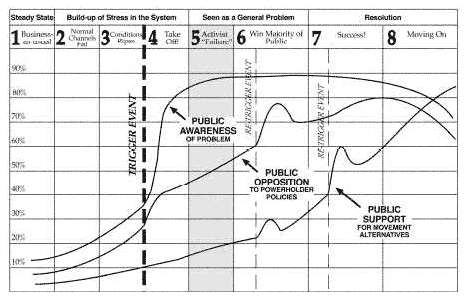
A Strategic Framework Describing The Eight Stages of Successful Social Movements
by Bill Moyer
Publisher: History Is A Weapon
Recommended by: BruceR
Within a few years after achieving the goals of “take-off”, every major social movement of the past twenty years has undergone a significant collapse, in which activists believed that their movements had failed, the power institutions were too powerful, and their own efforts were futile. This has happened even when movements were actually progressing reasonably well along the normal path taken by past successful movements!
The Movement Action Plan (MAP) was first published as the Fall 1986 edition of the Dandelion. Twelve-thousand copies were published and distributed. This is a revised edition of that article. People are invited to participate in the continuing development of MAP and help spread it to local groups.